
Puppy & Adolescent Training in Yamhill County
Puppy training is about so much more than obedience. It’s about helping a young dog learn how to live successfully, calmly, and joyfully alongside their family.
A Gentle Reassurance for Dog Parents:
A young dog who tests boundaries or 'forgets' rules isn’t giving you a hard time. They are going through a demanding developmental stage and simply need clearer, more compassionate guidance.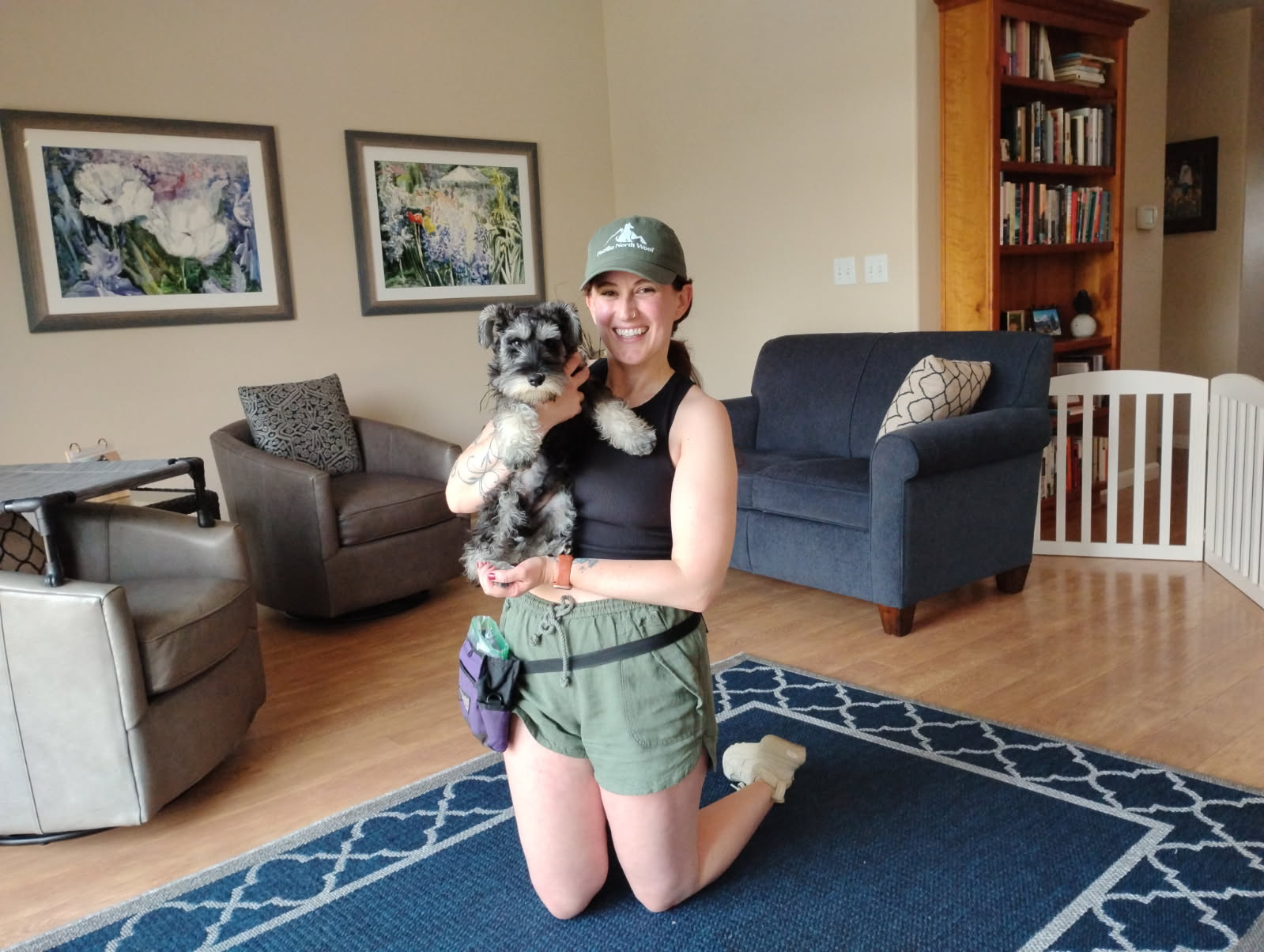
Confidence & Calm for Young Dogs
Step-by-step coaching right in your McMinnville or Newberg home.
Common Puppy & Adolescent Struggles We Help With
Puppyhood is adorable, but it can also be exhausting and overwhelming. We help you replace the chaos with predictable routines.
Puppy Biting & Nipping
Razor-sharp teeth on hands, clothing, ankles, and kids.
Potty Training & Crate Crying
Unpredictable accidents and sleepless nights trying to settle.
Jumping on Everyone
Frenetic greetings that knock kids over or tear sweaters.
Adolescent 'Selective Hearing'
At 7–14 months, they suddenly act like they've never heard 'sit' or 'come'.
Chewing Everything in Sight
Furniture, shoes, rugs, and baseboards under constant gnawing.
Inability to Settle Down
Zoomies, pacing, and difficulty switching off even after exercise.
Leash Pulling & Frustration
Lunging toward leaves, people, or dogs out of pure young overarousal.
Big World Overwhelm
Hesitation or fear around new sounds, strangers, or unfamiliar objects.
Building Life Skills That Last a Lifetime
Rather than teaching parlor tricks in an artificial room, we teach your puppy how to be a calm, confident companion inside your home, on Yamhill County sidewalks, and around your friends.
The In-Home Advantage for Puppies
Puppies learn in context. When training takes place in your actual hallway, kitchen, yard, and neighborhood:
Real-time environment troubleshooting
We set up barrier gates, sleep areas, and chew stations right where your family lives.
No exposure risks before full vaccination
Young puppies can train safely at home before their full vaccine course is finished.
The whole family learns together
Partners, kids, and housemates learn consistent cues and handling that don't confuse your pup.
"We worked with Mandy when our Vizsla was just 8 weeks old, and the experience was incredible. Not only did our puppy benefit enormously from loose leash walking, recall, and 'go to bed,' but I genuinely came out of the process a better dog parent. When he went through a brief reactive phase with other dogs, Mandy provided so much thoughtful coaching that really helped us work through it with confidence."
Maddie Heaphy
8-week-old Vizsla
Puppy & Adolescent Training FAQ
When should we start training our puppy?
As soon as you bring them home! The critical socialization window runs up until about 14–16 weeks. Starting early in your home allows you to set up routines right away, preventing problem habits before they take root.
My adolescent dog is suddenly regressing. Did I do something wrong?
Not at all. Dog adolescence (typically between 6 and 18 months) is a huge hormonal and neurological transition. Young dogs experience surging independence, fear periods, and impulse challenges. They aren't defying you — their brains are reorganizing. Compassionate consistency is what gets them through.
Why in-home instead of a group puppy class?
Group puppy classes are often chaotic, overstimulating, and don't address what happens when your puppy bites the living room rug, barks at your cat, or cries in their crate. In-home coaching gives you 100% personalized attention in your actual living environment.
Do you use treats or force?
We use positive reinforcement, food rewards, play, and praise. We never use prong collars, shock collars, physical corrections, or intimidation. Puppies and adolescent dogs learn fastest and build lifelong trust when training is rewarding.
Tell Us About Your Dog
Serving Yamhill County with personalized in-home training. Fill out this short form to get personalized guidance.